A grounded set of priorities
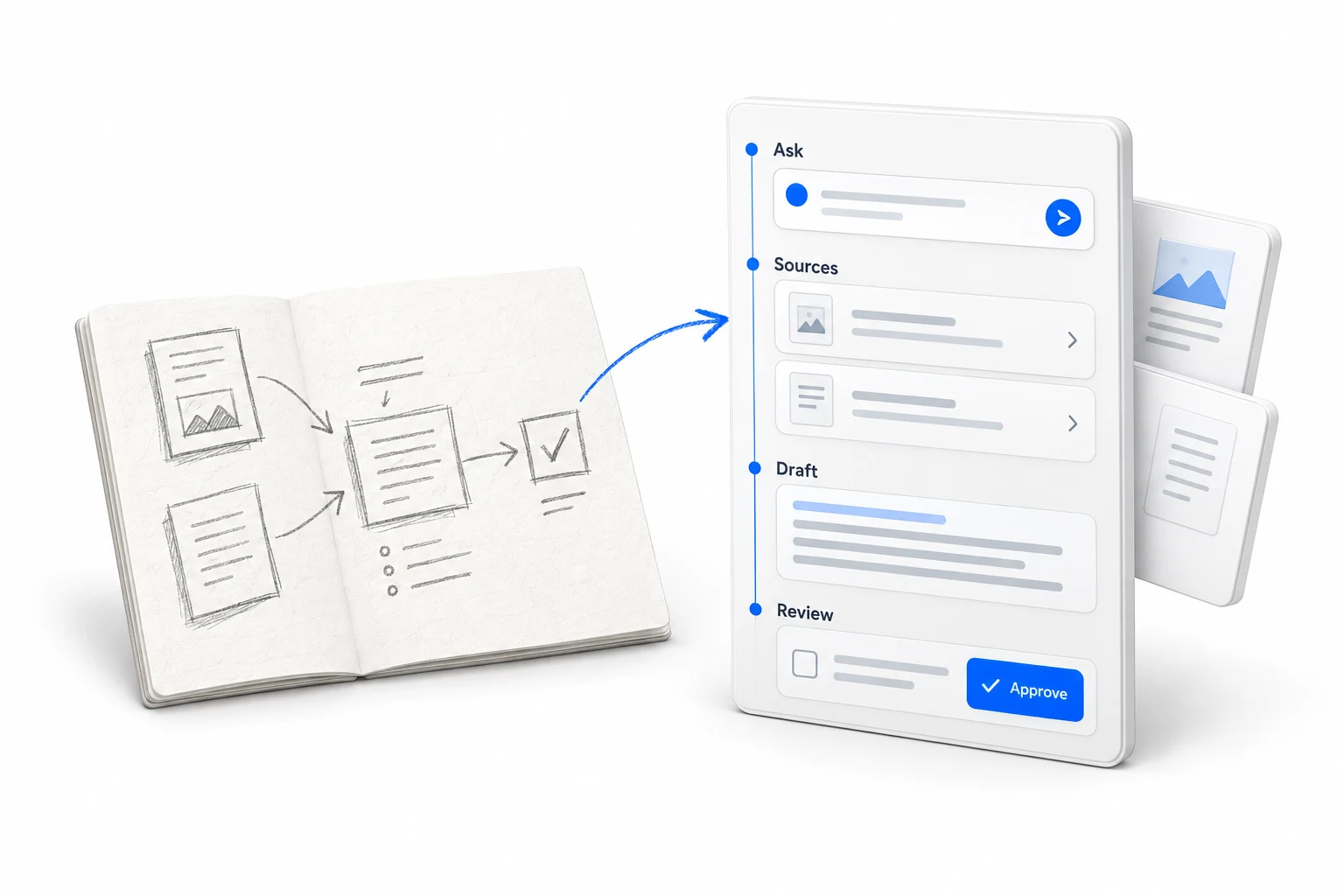
Review candidate use cases against practical value, information needs, effort, and risk. Separate promising ideas from work that needs a stronger foundation.
AI strategy, training & advisory
There is no shortage of tools to try. Choosing one worth introducing to your team takes a closer look at the work. I help you assess the options, set priorities, and build the understanding needed to use them.
Work with me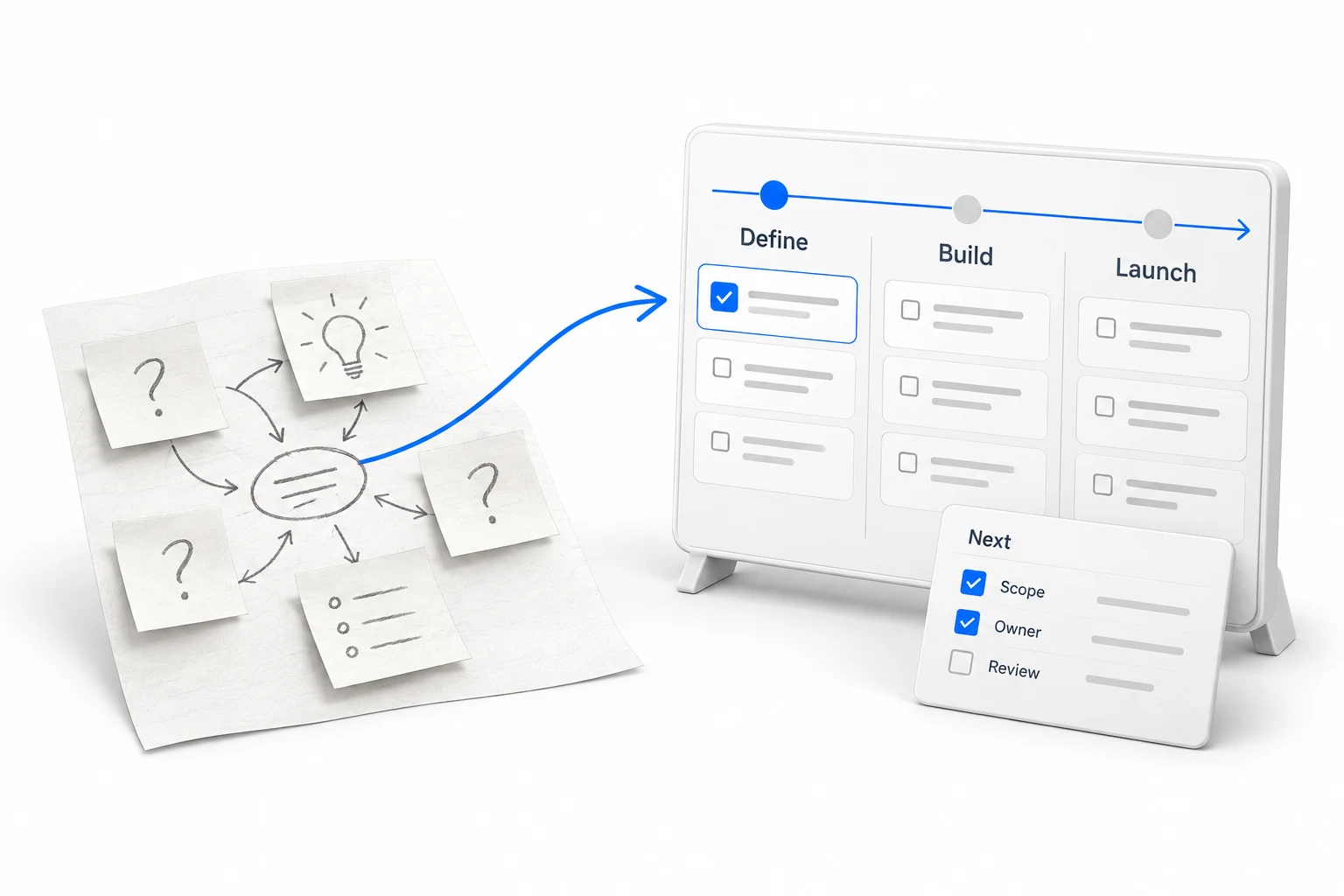 Sketch the idea. Build the useful thing.
What we can make
We begin with the task, the people doing it, and the constraints around it. The aim is a recommendation you can act on. That might be a focused pilot, a change to the workflow, or a decision to leave a tool out for now.
Review candidate use cases against practical value, information needs, effort, and risk. Separate promising ideas from work that needs a stronger foundation.
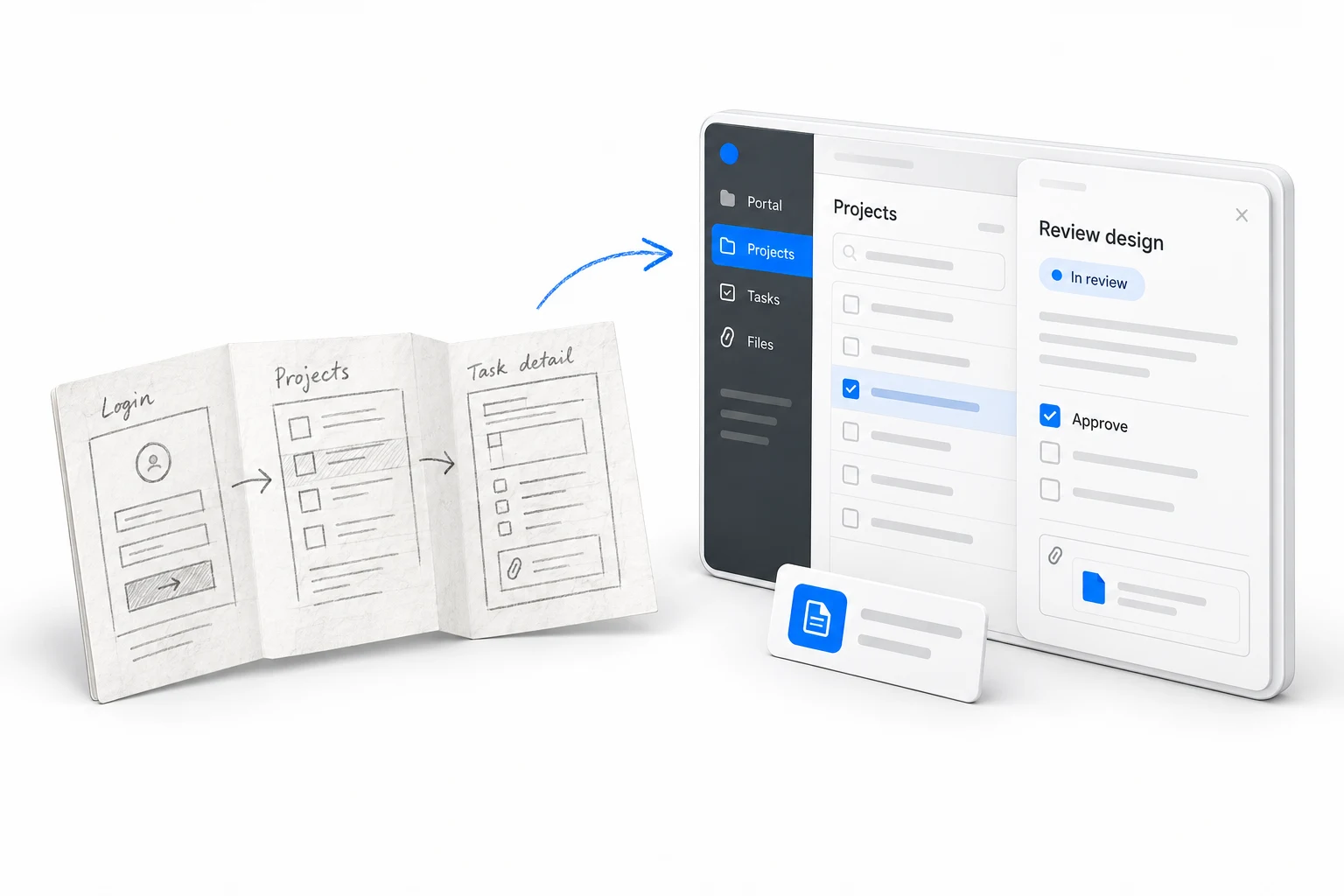
Define a pilot or implementation roadmap with ownership, dependencies, review points, and a way to judge whether it deserves further investment.
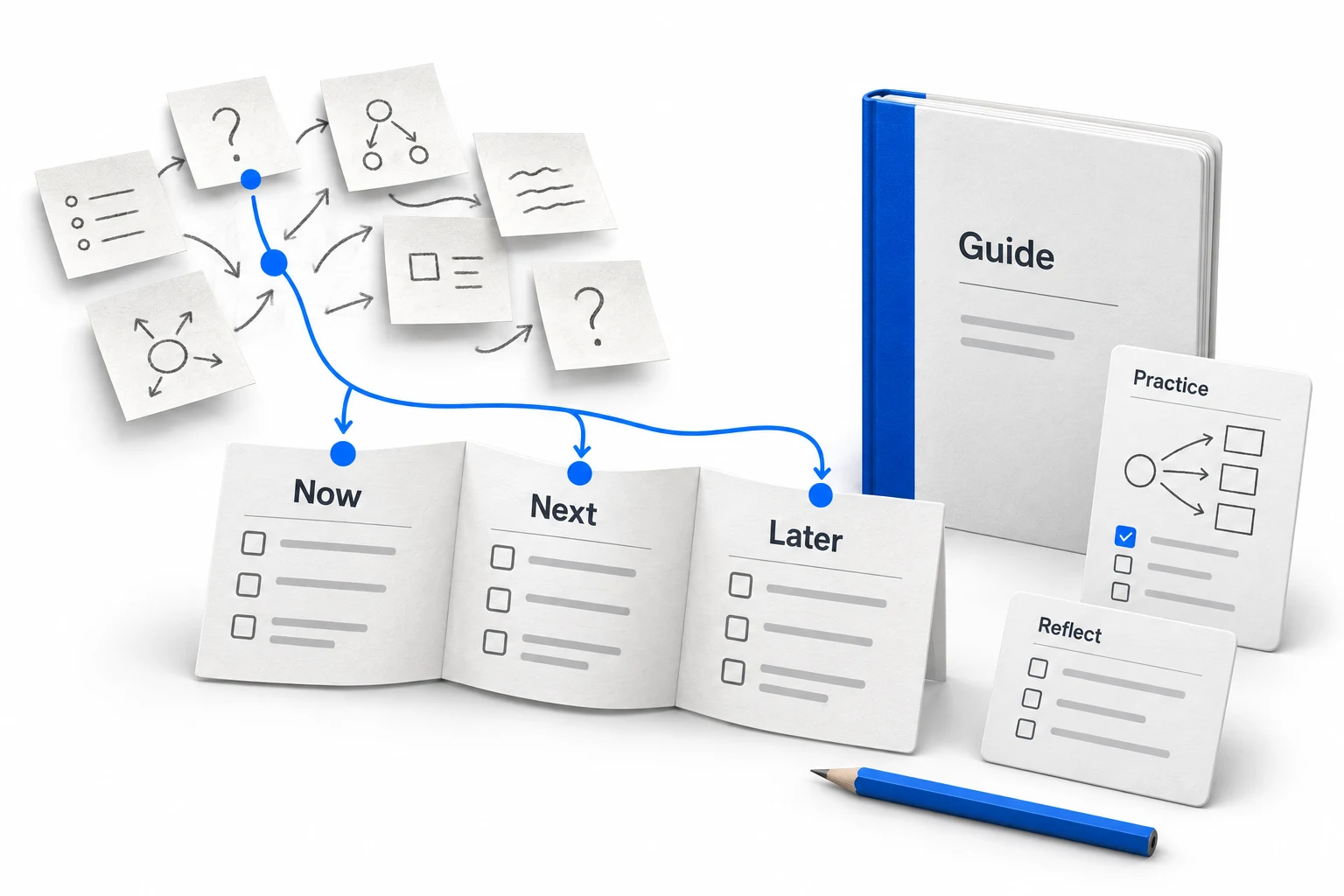
Working sessions, examples, and playbooks that help a team use a tool thoughtfully, review its output, and recognize when to ask for help.
How I approach it
A discovery conversation gives us the business context. We examine representative tasks and compare approaches against your constraints. The output can be a set of recommendations, a roadmap, a workshop, or advisory support during a build. My advertising, consulting, product, and operations background helps connect the technology to the wider business.
AI exploration and team learning at RazorfishBefore we begin
We can shape a session around a specific task, tool, or team. The useful starting point is what people should understand or be able to do afterward. Training does not have to lead to a larger build; the scope follows the need.
Include someone who does the work and someone who can decide what changes. A recent task, the tools involved, and approved sample material give us a better starting point than a list of AI features.
We agree on an output before the session. That could be a ranked set of opportunities, a pilot brief, a tool comparison, or a practical playbook. Each recommendation needs an owner and a next decision.
Tool reviews consider the actual task, existing licenses, information access, cost, and review effort. Training uses approved examples so people can practice judging an answer, correcting it, and recognizing when to ask for help.
Connected work